
Chiropractic Care

Electrical Stimulation
(E-Stim)

Electrical stimulation is used in-clinic for
chiropractic care to help reduce muscle tension,
calm irritated tissue, and support recovery.
Accepting New Patients
Same Day Appointments Available

What Is Electrical Stimulation?

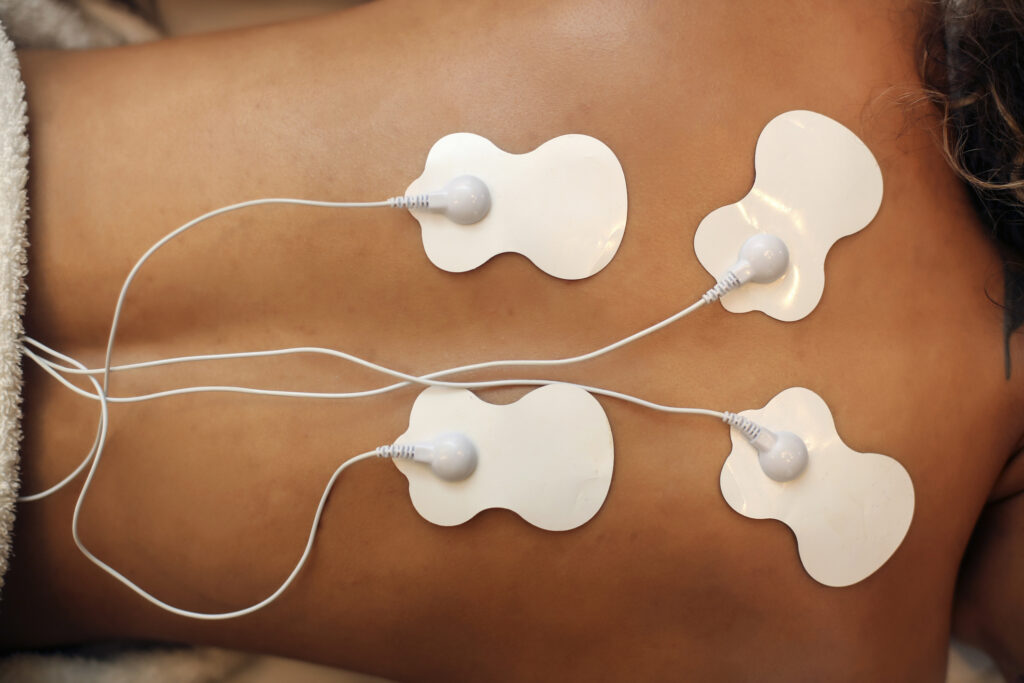
Electrical stimulation, often called E-Stim, uses controlled electrical currents delivered through surface electrodes placed on the skin. These currents stimulate muscles and soft tissue to reduce guarding, improve circulation, and support the healing process.

E-Stim is commonly used for patients experiencing muscle spasms, tightness, nerve-related irritation, or lingering soreness following injury. It is not a standalone solution. It is a supportive therapy used alongside chiropractic treatment and movement work.
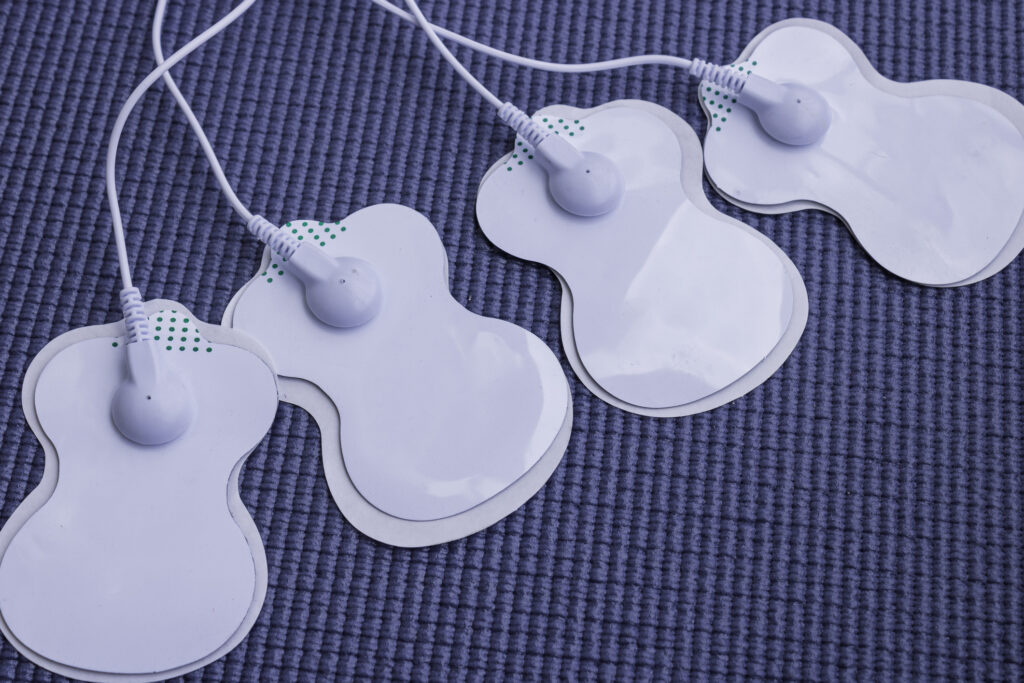
e-stim device
Young woman during a electrical stimulation therapy.

When Is E-Stim Used for Chiropractic Care?

  • Muscle guarding is limiting joint mobility

  • Neck or back tension is interfering with posture

  • Soft tissue irritation needs calming before adjustment

  • Recovery from acute strain is still in progress

  • Nerve-related symptoms are accompanied by muscular tightness

Many patients across the South Hills of Pittsburgh use E-Stim as part of a structured recovery plan for neck pain, back pain, and sports-related injuries.

The Hoskins Holistic Health Way

Supportive Care With A Purpose

E-Stim is used selectively, not automatically. It is introduced when muscle tension or irritation is limiting your response to hands-on treatment.

Listen

We evaluate where muscle tension is occurring and how it is affecting your movement and symptoms. Your feedback during treatment helps guide intensity and placement.

Test + Assess

Joint motion, posture, and soft tissue tone are examined to determine whether muscle guarding is contributing to pain or restricted mobility.

Treat + Guide

E-Stim may be used before or after chiropractic adjustments to help calm tissue and improve comfort. Movement guidance reinforces progress so tension does not return between visits.

Related Treatments and Therapies

  • Back Pain Treatment
  • Neck Pain Treatment
  • Sciatica Treatment
  • Migraine/Headache Treatment
  • Cox Flexion Distraction
  • Functional Movement
  • PEMF Therapy

FAQ: Commonly Asked Questions About Soft Tissue & Fascial Work

Soft tissue and fascial work targets muscle, tendon, and connective tissue restrictions that limit motion and contribute to pain, compensation, and stiffness.

It should be tolerable. Pressure is adjusted to your comfort while still being effective.

Yes. Chronic tension often reflects long-term patterns in posture, movement, and stress load, and soft tissue work can help reset those patterns.

Releasing tight or irritated tissues can help the adjustment hold better, reduce guarding, and improve overall movement quality.

Radiating symptoms can involve nerves, joints, or soft tissue. A detailed assessment helps identify the source and guide the right plan.

Yes. Patients from across the Greater Pittsburgh area seek evaluation for chiropractic care and/or functional medicine.