
Back pain isn’t one-size-fits-all. It can be acute (after lifting, travel, or a hard workout) or chronic (built up over months or years). Pain may come from irritated joints in the spine, muscular tightness and imbalance, disc-related issues, poor posture from long hours at a desk, old injuries that never fully resolved, or stress patterns that keep the body stuck in tension. Some people feel it in the low back, others in the mid-back, and many notice it “travel” into the hips or down a leg.


Identifying The Root Cause Of Back Pain
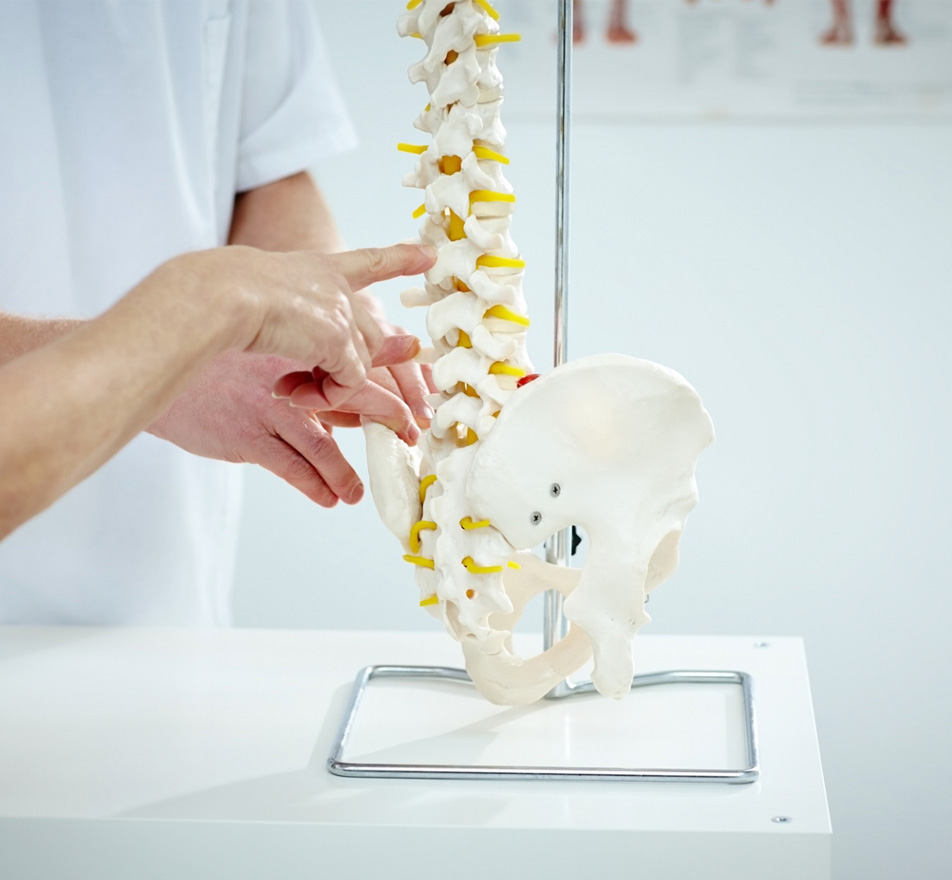

Chiropractic Back-Pain Treatment/Options
- Chiropractic adjustments to improve joint motion and reduce mechanical stress in the spine
- Cox Flexion-Distraction (gentle, guided spinal mobilization often used for low back discomfort and disc-related cases)
- Soft tissue & fascial work to reduce tightness, improve tissue glide, and calm protective guarding
- PEMF therapy to support recovery and help decrease soreness and inflammation patterns
- Functional Movement Training to rebuild stability, mobility, and better movement mechanics
The Hoskins Holistic Health Way


Back Pain Care with a Clear Plan
Back pain usually isn’t just a “tight back.” It’s often a pattern—how you sit, move, train, recover, and handle stress. At Hoskins, we start by finding what’s driving your back pain, then build a plan that relieves pressure now and supports better movement long-term.
Listen
We start with your story: where your back hurts, when it flares, what movements make it worse, and what you need to get back to (work, training, sleep, everyday life).
Test + Assess
We evaluate your spine, joints, and nervous system and how your posture and movement mechanics may be loading your back.
Treat + Guide
Care combines hands-on chiropractic treatment with supportive therapies to calm irritation and restore motion. Then we reinforce results with simple at-home steps and movement guidance so your back stays more stable between visits.

Related Treatments and Therapies
- Neck Pain Treatment
- Sciatica Treatment
- Migraine/Headache Treatment
- Cox Flexion Distraction
- Functional Movement
- PEMF Therapy
- Electrical Stimulation
FAQ: Commonly Asked Questions for Back Pain
Chiropractic care can help with a wide range of back pain, including acute strains, chronic low back pain, disc-related pain, sciatica, postural tension, and flare-ups tied to repetitive movement or long hours at a desk. It is also helpful for stiffness and mobility loss that develops over time from poor movement patterns.
Treatment may include specific chiropractic adjustments, Cox Flexion-Distraction for disc pressure, soft tissue and fascial work, electrical stimulation, and targeted movement training. If recovery stalls or symptoms suggest a deeper systemic issue, functional lab testing can be used to add clarity and guide the next step.
Cox Flexion-Distraction is a gentle, research-supported technique that uses a specialized table to decompress the spine. The movement creates a pumping effect that reduces pressure on discs and nerves while improving spinal motion. It is commonly used for disc bulges, herniations, sciatica, spinal stenosis, and chronic low back pain. Because it is controlled and non-forceful, it is often well tolerated by patients who are not comfortable with traditional rotational adjustments.
After your initial evaluation, you will receive a clear recommendation outlining the frequency and expected timeline. Progress is reassessed regularly to make sure care stays purposeful and aligned with your goals.
You should seek urgent medical care if you experience sudden loss of bladder or bowel control, severe weakness in the legs, progressive numbness in the groin area, fever with back pain, or pain following a significant trauma such as a car accident or fall.